In the early 1970s, German club Eintracht Braunschweig was in serious financial trouble. The club's coffers were empty, results were disappointing, and money was urgently needed.
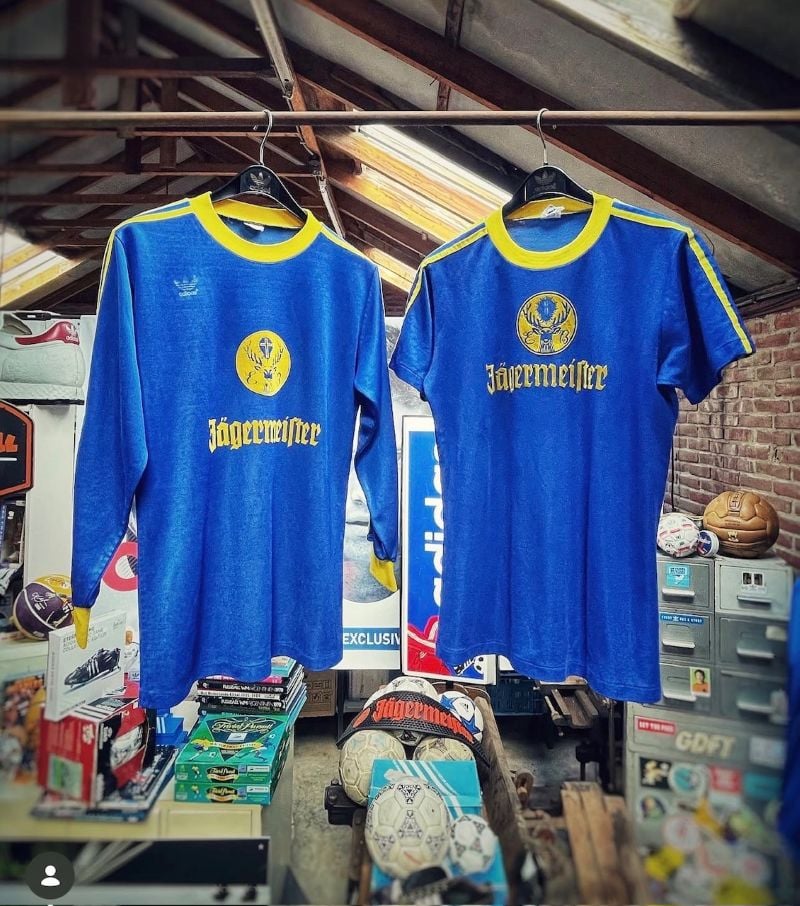
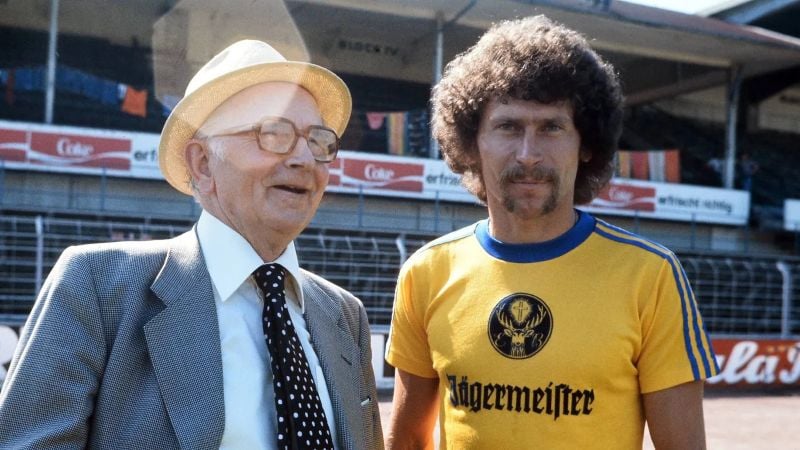
The club's shrewd chairman and ambitious businessman Günter Mast (the CEO of the well-known spirits brand Jägermeister) came up with a clever plan: Jägermeister would sponsor the club, and in return, the brand's logo — the iconic deer's head — would be prominently displayed on the players' chests. There was just one major problem: the German Football Association (DFB) strictly prohibited shirt sponsorship. Football was meant to be pure, and commercial branding on shirts was considered a disgrace. But Jägermeister and the club refused to be sidelined. They looked for a loophole in the rules — and found one. While DFB regulations prohibited advertising for companies, a club did have the right to display its own club crest on the shirt. Braunschweig then made a historic decision. At an extraordinary general meeting, members voted in favour of an official change to the club's logo. The traditional red lion of Braunschweig was decisively replaced by... the exact deer's head of Jägermeister. The DFB was furious and spent months trying to block the move through legal proceedings. Referees were even instructed to refuse matches if Braunschweig took to the field with the deer logo. But legally, the authorities were powerless. It was now officially the club's crest. On 24 March 1973, the moment arrived. In the Bundesliga match against Schalke 04, Eintracht Braunschweig made history. For the very first time, a German team took to the pitch with a "commercial" logo on their chests. The shirt itself was bright yellow with blue accents, and in the centre the deer stood proudly. The media storm that erupted was unprecedented. Today, Twitter would explode. Traditional football fans spoke of the "downfall of football" — which, in hindsight, contained a grain of truth... but from a commercial perspective, it was a masterstroke. Jägermeister became world-famous overnight and Braunschweig was saved from bankruptcy. The DFB realised it could not hold back the advertising revolution. Just a few months later, in October 1973, the association officially conceded and shirt sponsorship was legalised. Before long, powerhouses such as Bayern München (Adidas) and Hamburger SV (BP) were also sporting sponsors on their chests. The yellow Braunschweig shirt with the deer's head is today a cult object. It stands as a symbol of rebellion, creativity, and the tipping point at which modern, commercial football was born. Collectors now pay hundreds of euros for an original piece from that era! Written by Jesse Rabbeljee.